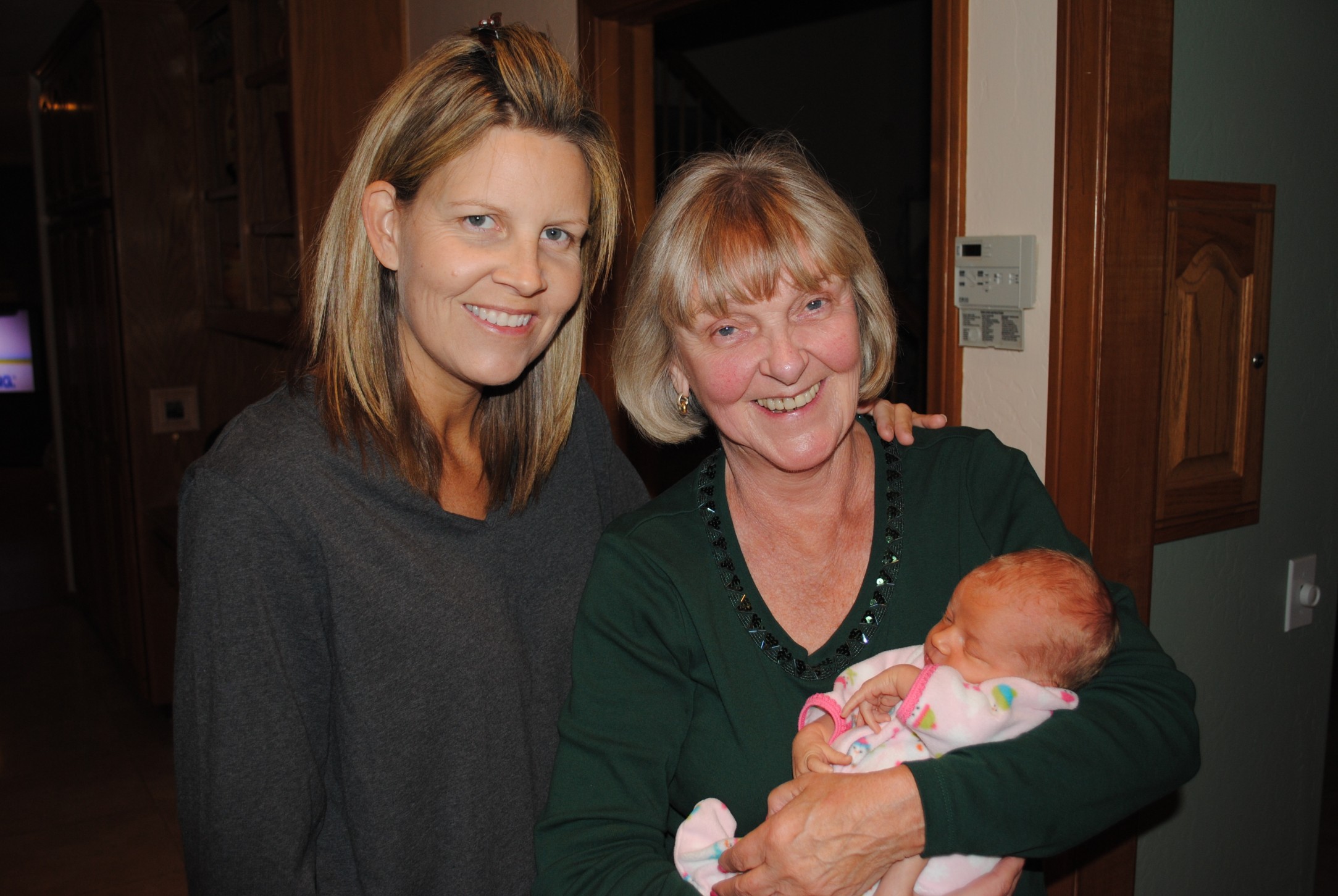
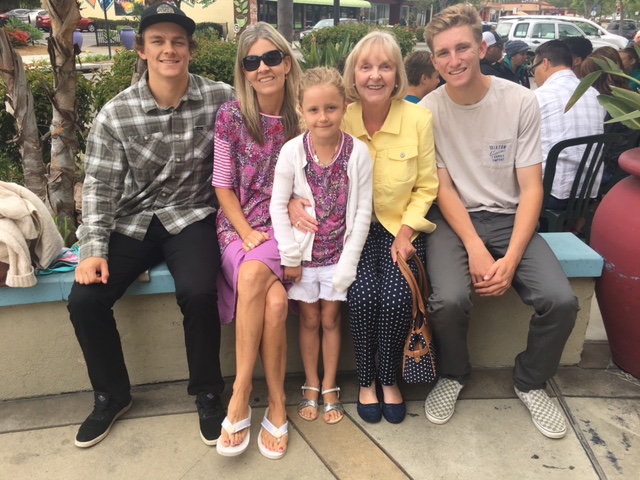
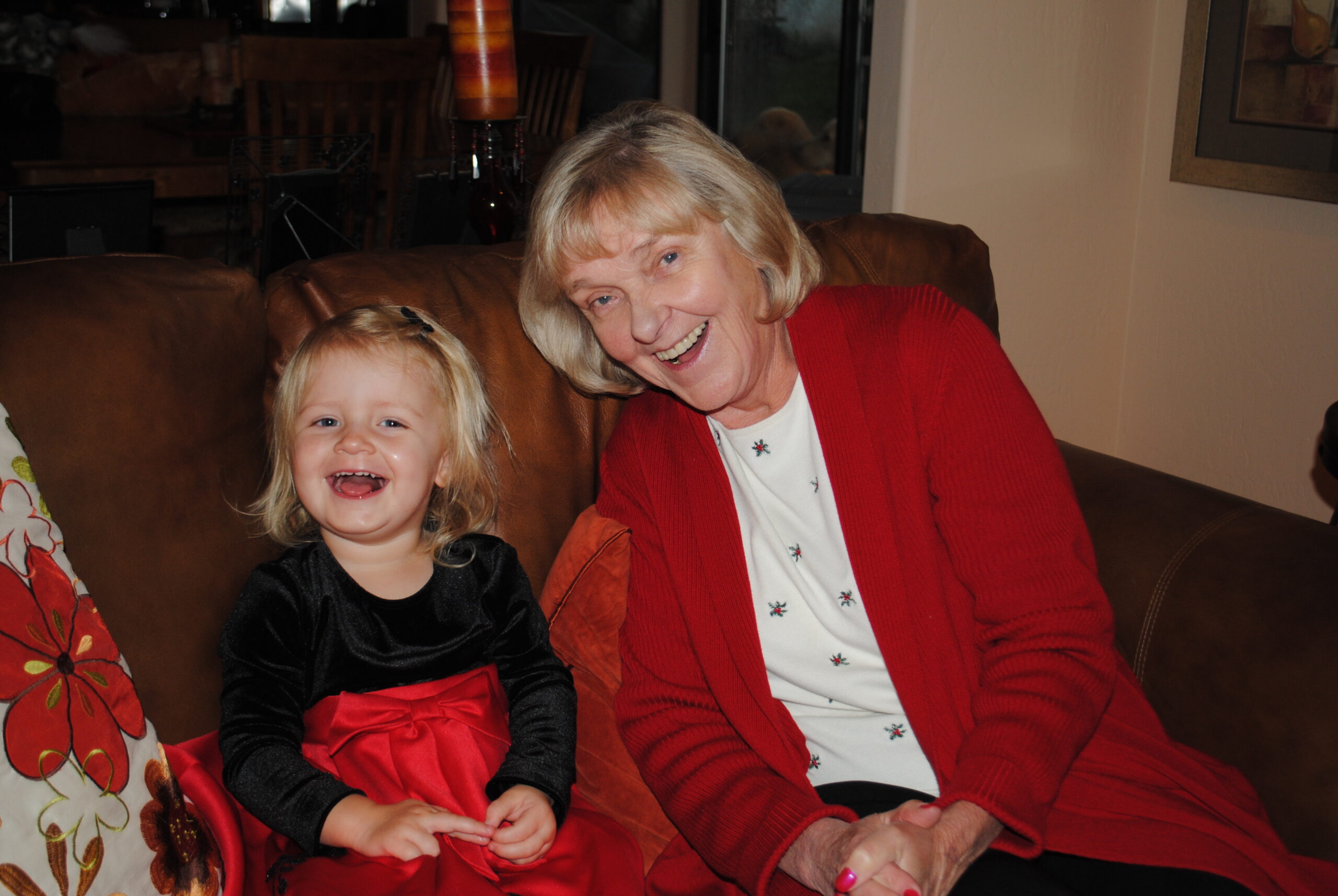
Today marks one year without you. Three hundred sixty-five days since I watched you slowly inhale, then exhale, your final breath. I remember holding your hand, knowing the end was near, and thinking I had prepared myself. Somehow, I even anticipated that I would feel a sense of relief when you passed ― because I knew it was coming, because it had been unbearable watching you in pain and trapped for months in your own body.
But I was wrong. I was neither prepared nor relieved.
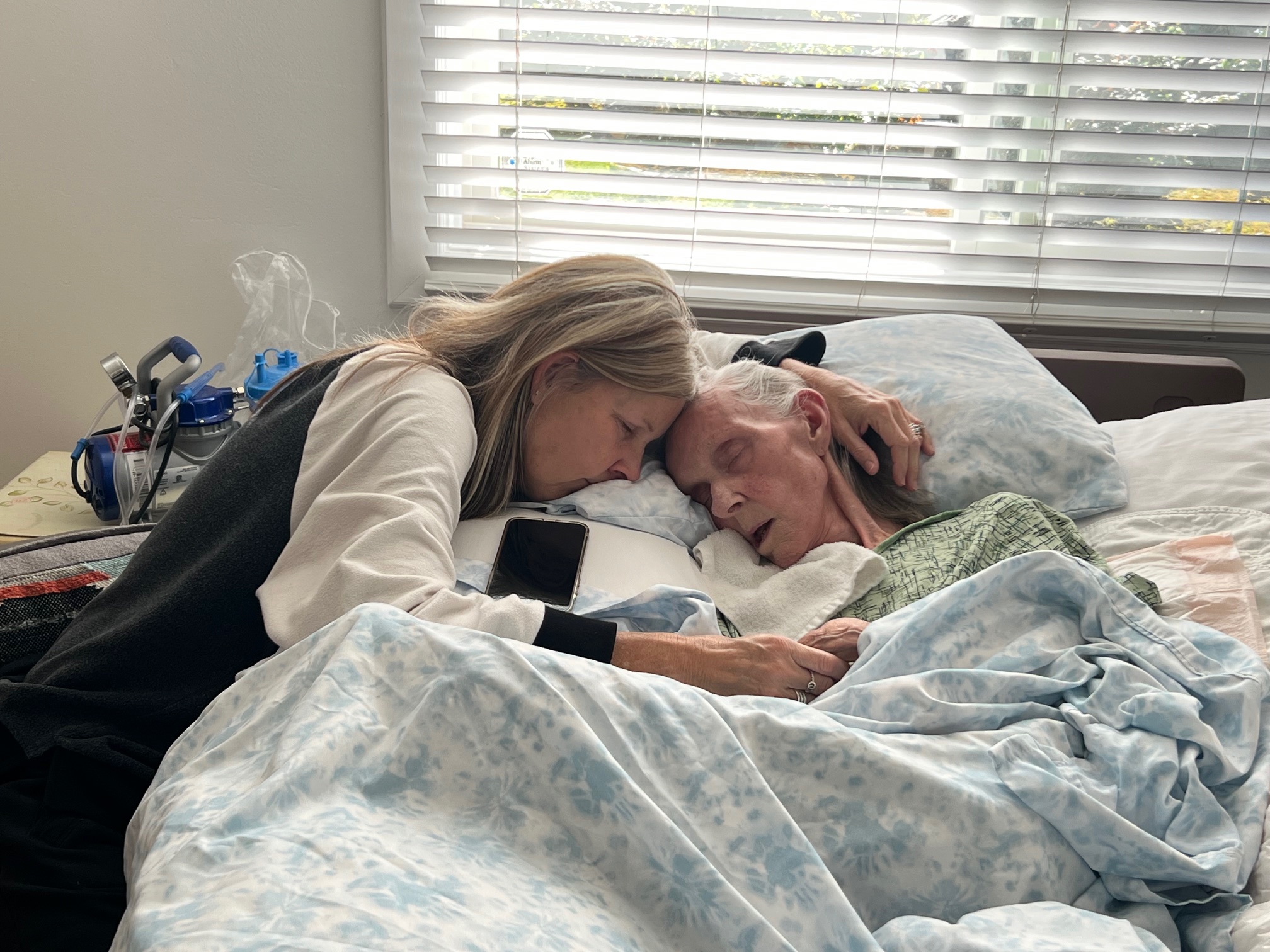
The truth is, I’ve been missing you for much longer than 365 days. Parkinson’s Disease stole you from me in small increments. Over time, it quietly edited your temperament, softening the edges of who you once were. It pilfered little pieces of your personality like a thief in the night, weakening your joy and diminishing your comprehension. It wittled away your independence and snatched your passion for life. And without asking, Parkinson’s inverted our relationship roles ― transforming me into your decision-maker, translator, advocator, caregiver.
The cruelty of your disease forced my grief to settle in jagged layers. It made me miss the version of you from the previous year, and then the previous month, when all the while you were still present right in front of me. It spurred a type of mourning that felt unequivocably disloyal; to grieve the mom I loved, my first best friend, while you were technically still here. Just a different version of yourself.
In the end, Parkinson’s tricked me into thinking that I was properly equipped to say goodbye, because I had already been watching you disappear, one fragile fragment at a time, over the span of many months.
First I lost you in pieces. And then I lost you completely, all at once.
For me, the past year of grief has felt like a simmering pot of water. Some days it bubbles up tenderly; a sweet memory or gentle reminder of your presence, percolating softly and soothingly. Other times, it boils over, cascading ferociously onto the stove, sizzling and hissing and scalding. Leaving a sticky residue that lingers on the ceramic cooktop no matter how hard I try to scrub it away.
Day 1. I am blindsided by the realization that I no longer have a mother. How is that even possible? It’s an emptiness so cavernous, a pain so callously singular, that a year later, I am still unable to accurately wrap the ache into the framework of words, despite being a writer by profession.
Day 7. On what would have been your 85th birthday, I get a tattoo in your honor. It’s your signature, taken from one of the hundreds of cards you gave me over my lifetime. The simple “Love, Mom” ushers in a powerful sense of peace every time I look at the cheerful cursive above my wrist.
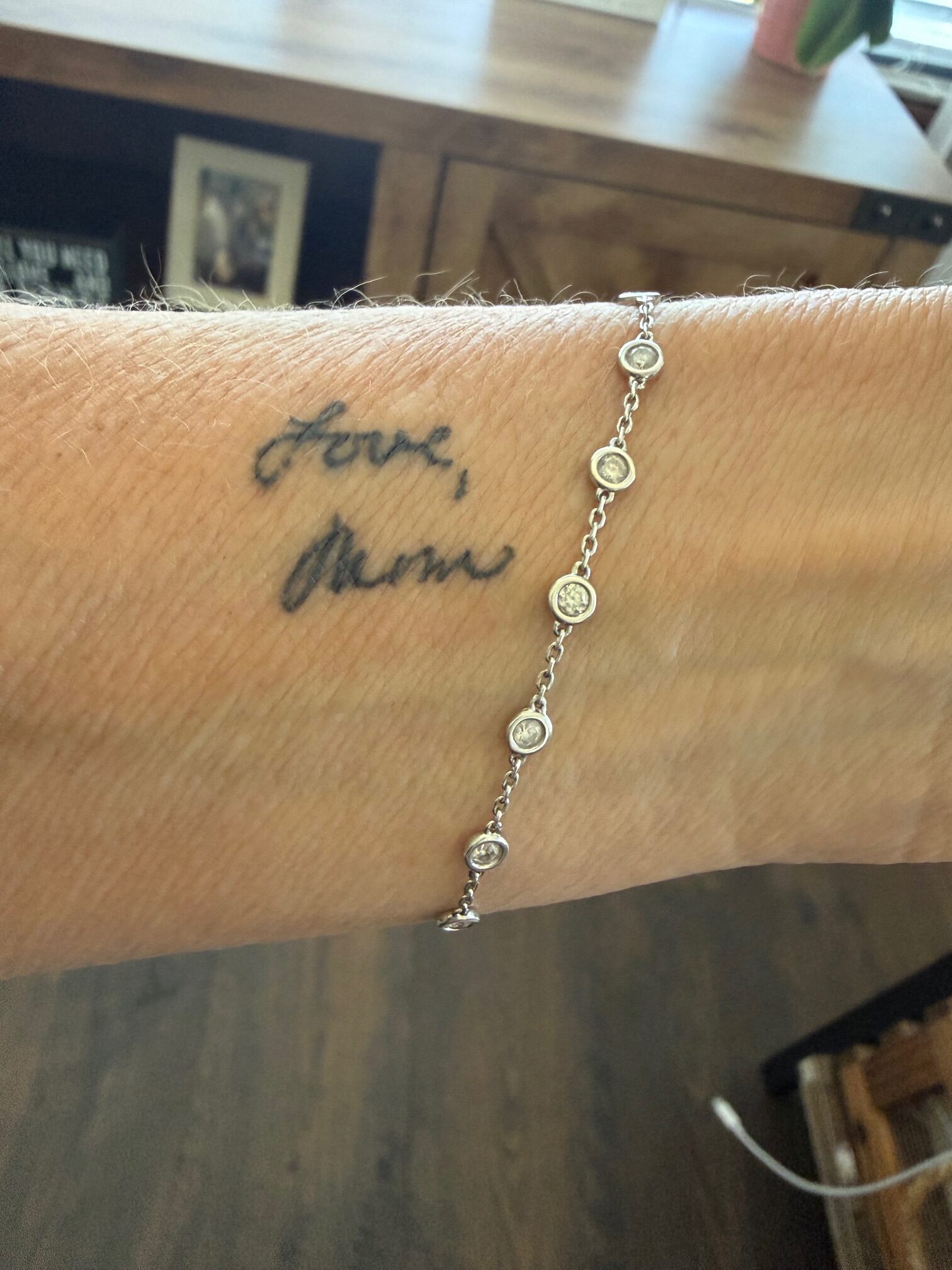
Day 34. Mother’s Day arrives far too soon. I don’t want to think about it. I don’t want to celebrate it. Not at all. But I feel guilty, and I force myself to go through the motions, because my kids are trying so hard to ease the sting for me. But the day is just a searing reminder that you’re no longer here, and I can’t help but feel a rush of gratitude when it’s over.
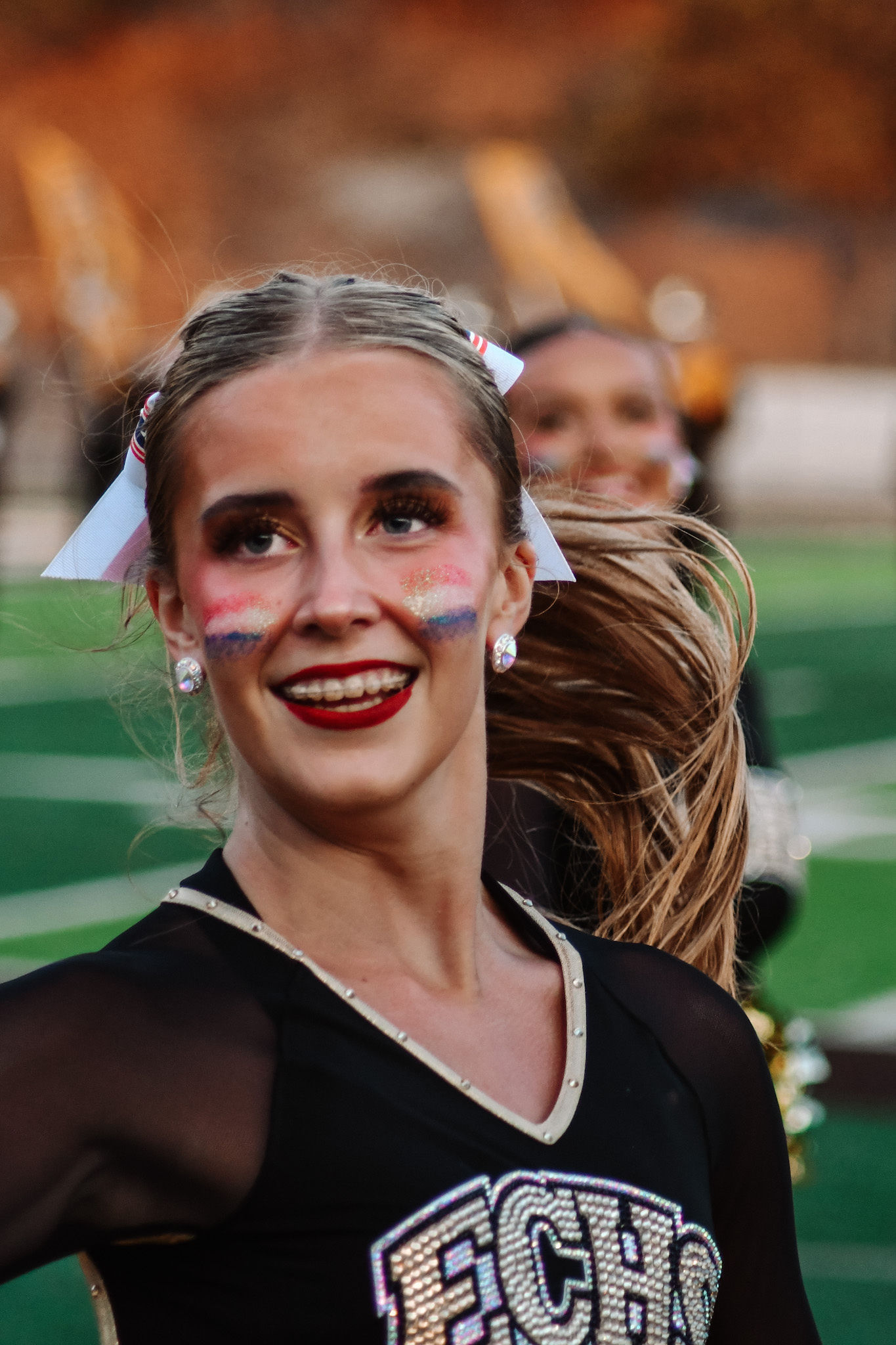
Day 39. Aubrey achieves her longtime goal of making the POMcats Dance Team, and I reach for the phone to share the exciting news with you. I wonder if I will ever lose that muscle memory; the instinctive bell that reverberates in every moment of consequence, making me immediately think, “I need to tell my mom!”
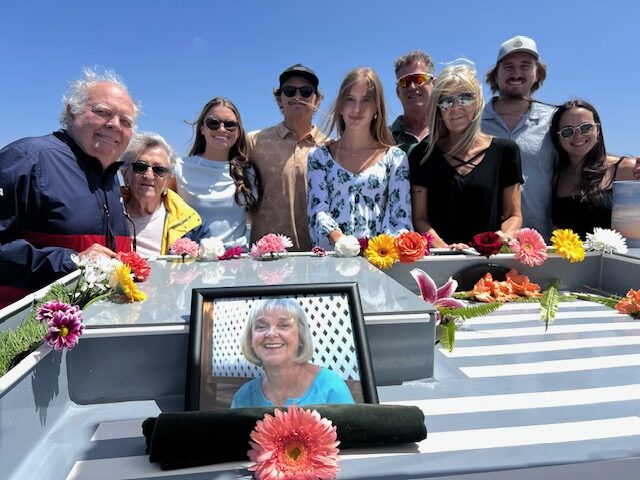
Day 75. We scatter your ashes at sea, one of your favorite places. There are sweet memories shared, laughter that rises up and tries to fill the empty space, but also so many tears. In a transformation I don’t consider to be a coincidence, the day’s stubborn marine layer peels back just as we set sail, revealing a spectacular sunshine that sends brilliant rays dancing across the waves. The thick cloud formation immediately rolls back in as we return to the harbor an hour-and-a-half later.
Day 137. We are at Aubrey’s first high school football game, and as I watch her dancing on the sidelines ― quite possibly the happiest I have ever seen her ― I consciously think to myself how much I wish you could be here to see her, too. As if on heavenly cue, the next song the DJ plays is Neil Diamond’s Sweet Caroline, irrefutably your all-time favorite. I have goosebumps. And tears. I try to smile. (Again, the music choice is no coincidence. This was the only time the song was played the entire season; understandable, as it’s not exactly a Top 10 choice among high schoolers.)
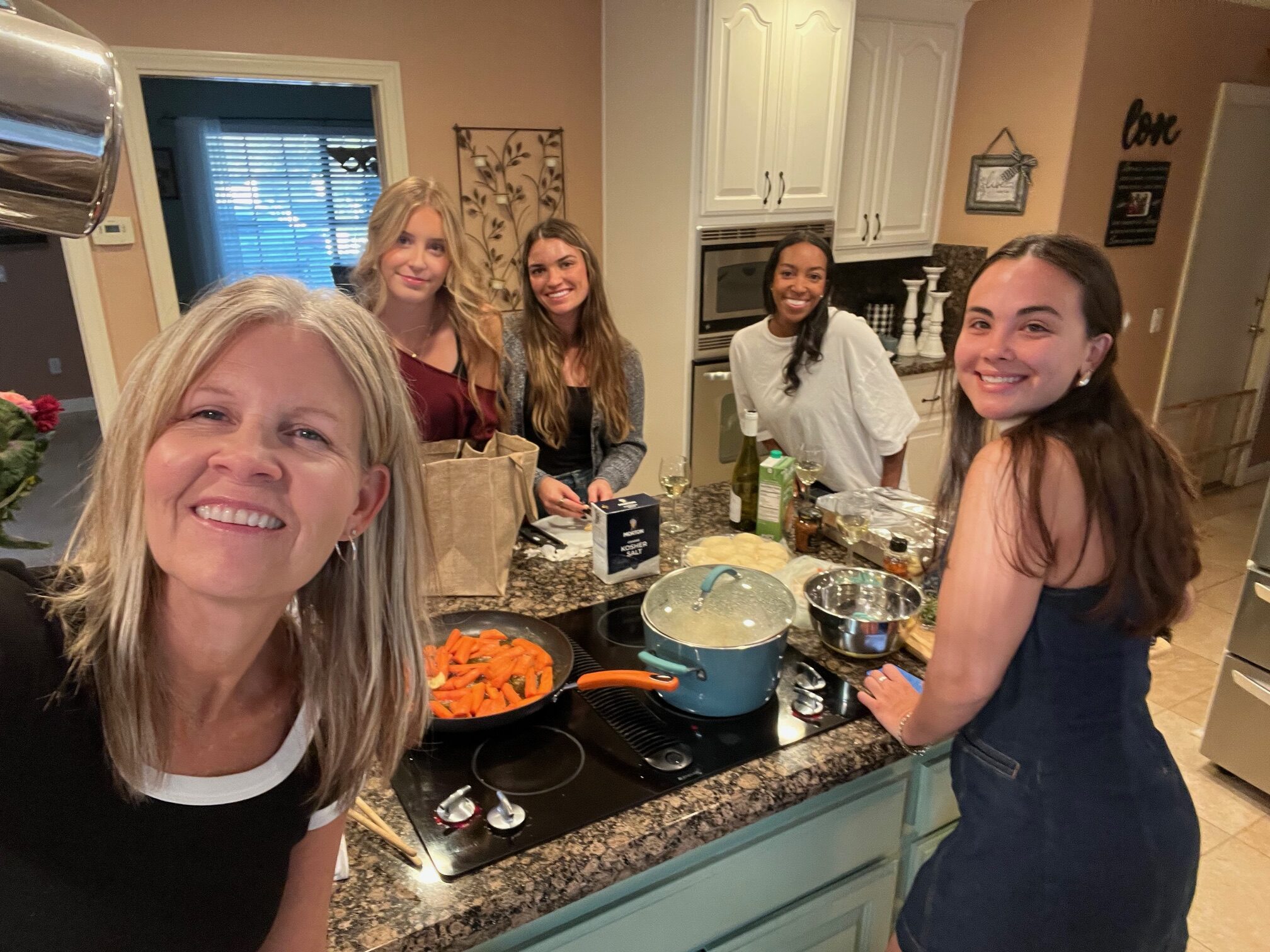
Day 234. Thanksgiving, the day I’ve been dreading for weeks, arrives. My emotions seethe and churn, on the verge of boiling over; the lid rattling, the steam thrusting upward. Over the months, I have endured a steady series of events where your absence has loomed large. But Thanksgiving, my first ever without you, hits especially hard. Still, I prepare your holiday classics, keeping your legacy alive in sausage cornbread stuffing and cranberry walnut salad. Then the ominous weight that has been dragging me down for weeks suddenly dissipates, surpassed by the surrounding love of family ― and a new generation stepping up to supersede your post as top chef.
Day 326. You are with me in Florida at Aubrey’s dance team Nationals as I take a water taxi from the theme park to our hotel with a couple other moms. We’ve already been on the brief, five-minute boat ride several times, and none of the captains has ever played music. But this particular skipper apparently wants to engage the crowd. The ride is so short, there’s only time for one song. The next thing I know, Sweet Caroline is blaring through the vessel’s speakers, every row of passengers enthusiastically singing along. And I sit silently in the midst of the crowd, tears streaming down my face ― simultaneously overcome by both the pain of missing you and the appreciation of feeling your presence.
Day 335. It’s a lazy Sunday afternoon, the day you always spent at our house, sipping diet Coke in your wheelchair while we rewatched your favorite series, Gilmore Girls. Now, I curl up on the couch and consider flipping on the show, confident that Netflix has preserved the exact scene where we left off in Season 5. But I quickly realize there are some things I still can’t bear to do without you, and this is one of them. Watching the adventures and rites of passage between Lorelai and Rory on all those Sunday afternoons, I knew inherently that you saw our own mother-daughter relationship echoed in their characters ― all those years when it felt like it was you and I against the world. Even though you were no longer able to communicate beyond a few simple words, I knew. I remembered. And so I make myself a “grief goal,” that one day I will finish watching every episode. Even if I have no idea when, or if, the strength to follow through on that pledge will arrive.
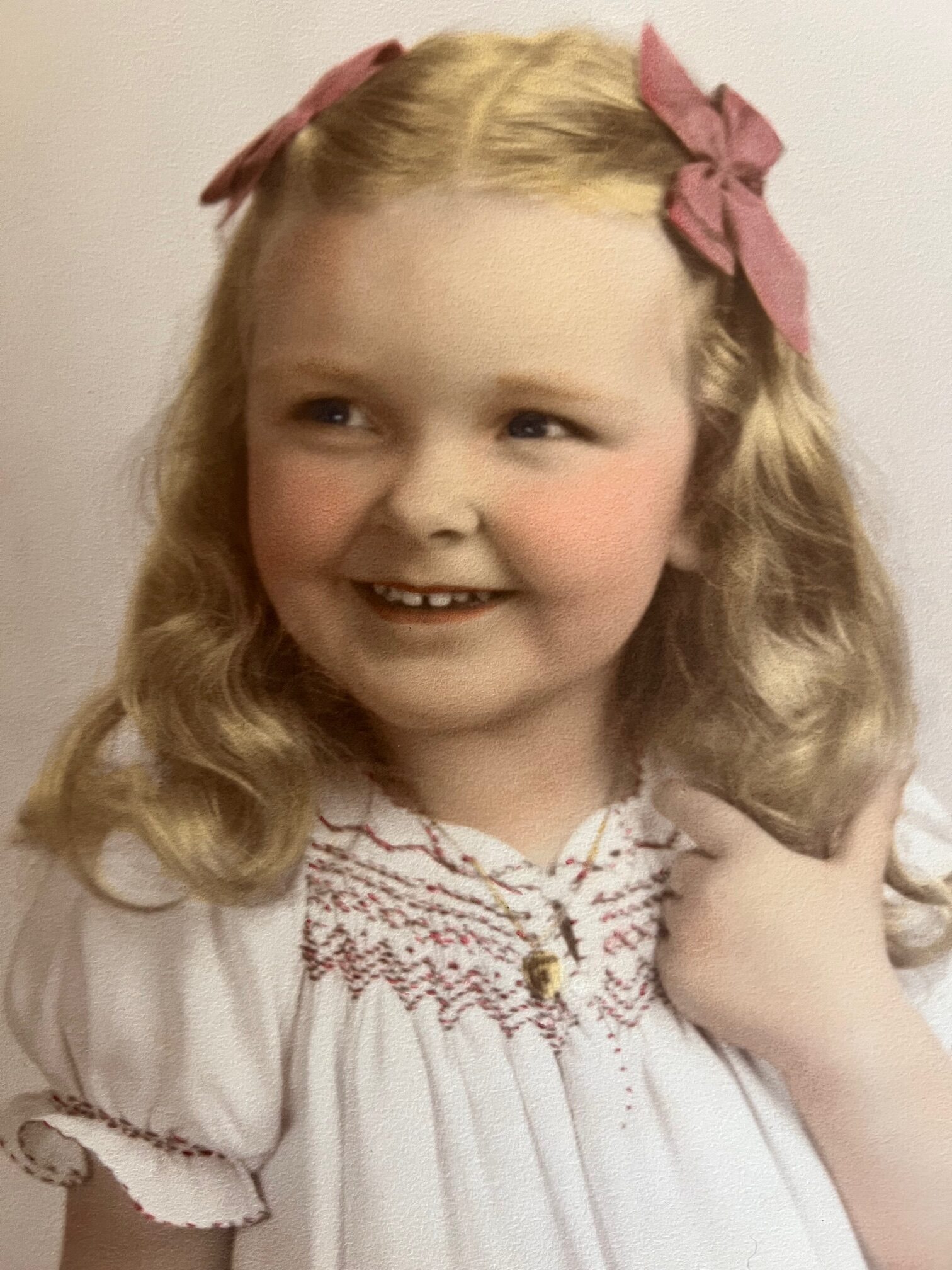
Day 348. I finally sort through your box of old family photographs. It’s filled with dozens of black-and-white images of generations I do not recognize. But I save all the photos where I am able to clearly identify you, your sweet smile overriding the paper’s tattered, yellowed edges. I marvel at how much Aubrey looked like you when she was young, and it wraps me in warmth.
Day 357. While cleaning out the voice mailbox on my cell phone, I discover a message you left me years ago that I inadvertently never erased. Something about my needing to bring you trash bags. As I play it back again and again, it devastates me that I didn’t think to preserve more of these simple audio mementos, that somehow the only recording I have of your voice is a meaningless request for trash bags.
Day 365. The first anniversary of your death has been steadily approaching on my radar, and just like Thanksgiving, I am completely unprepared. I feel myself trying to push it back, to squish it down inside some make-believe vault where I imagine pain might be stored in some practical, unobtrusive space.
Yet what I’ve discovered over the past year is that grief pursues its own trajectory, often in a decidedly obstinate manner. It shows up uninvited. It doesn’t care if you have important events to attend, or deadlines to meet, or joyful occasions to celebrate. And no matter how politely you ask, or how loudly you scream, or how vehemently you stomp your feet, it refuses to acquiesce.
What grief has also taught me is that even when you set the pot to simply simmer, the water stays hot. The loss doesn’t disappear, its temperature just keeps changing.
There are days when the heat dramatically escalates ― sparked by a song, an anniversary, a memory ― and grief boils over in a messy, frenzied, overwhelming surge.
Other moments, I lower the heat. Or perhaps time discreetly adjusts the knob on my behalf. The boil softens to a steady gurgle ― still moving, still releasing a vapor ― but the ache is somehow softer and more manageable.
And sometimes, the pot is left smoldering on the stove for so long that the water slowly evaporates. It doesn’t disappear, but it’s converted into something that I can carry in a different way. A lighter way.
What remains is that faint trace of residue etched along the inside of the pot ― the part that stays forever, the lasting imprint of love and loss.